
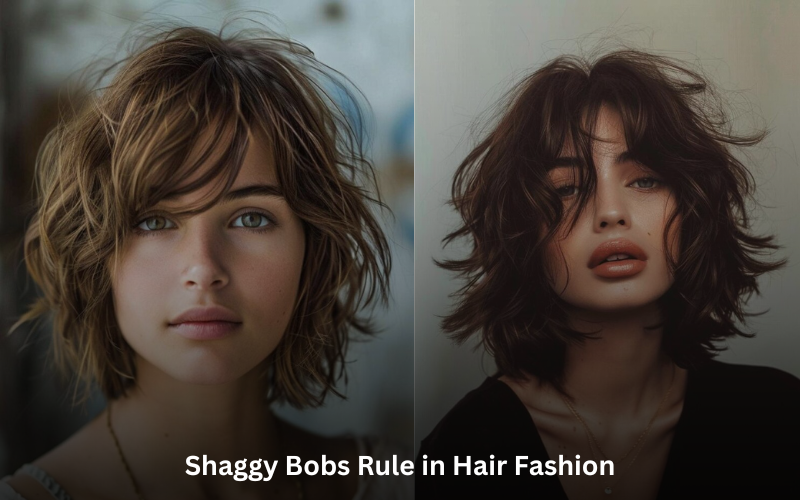
The shaggy bobs haircut has emerged as one of the most sought-after hairstyles in modern hair fashion, captivating style enthusiasts worldwide with its perfect blend of edgy sophistication and low-maintenance appeal. This versatile haircut transcends trends, offering a timeless solution for individuals seeking to refresh their look while maintaining everyday practicality. In this comprehensive guide, we’ll explore why the shaggy bob continues to dominate hair fashion and how you can make this iconic style work for you.
What Makes the Shaggy Bob a Fashion Powerhouse?
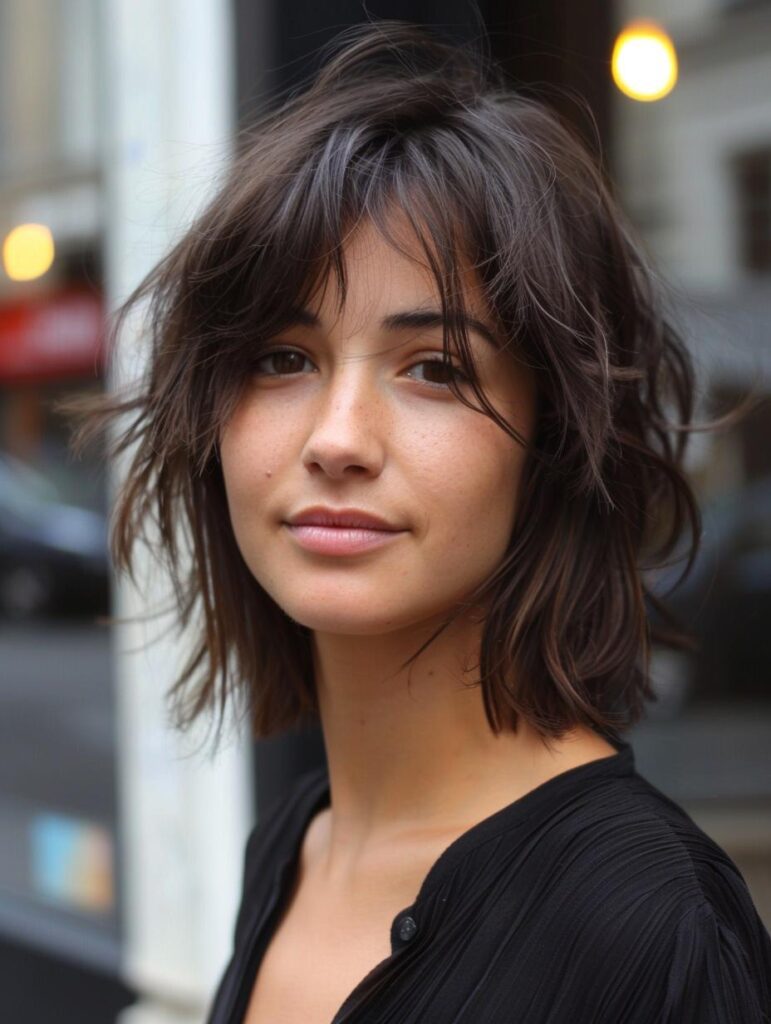
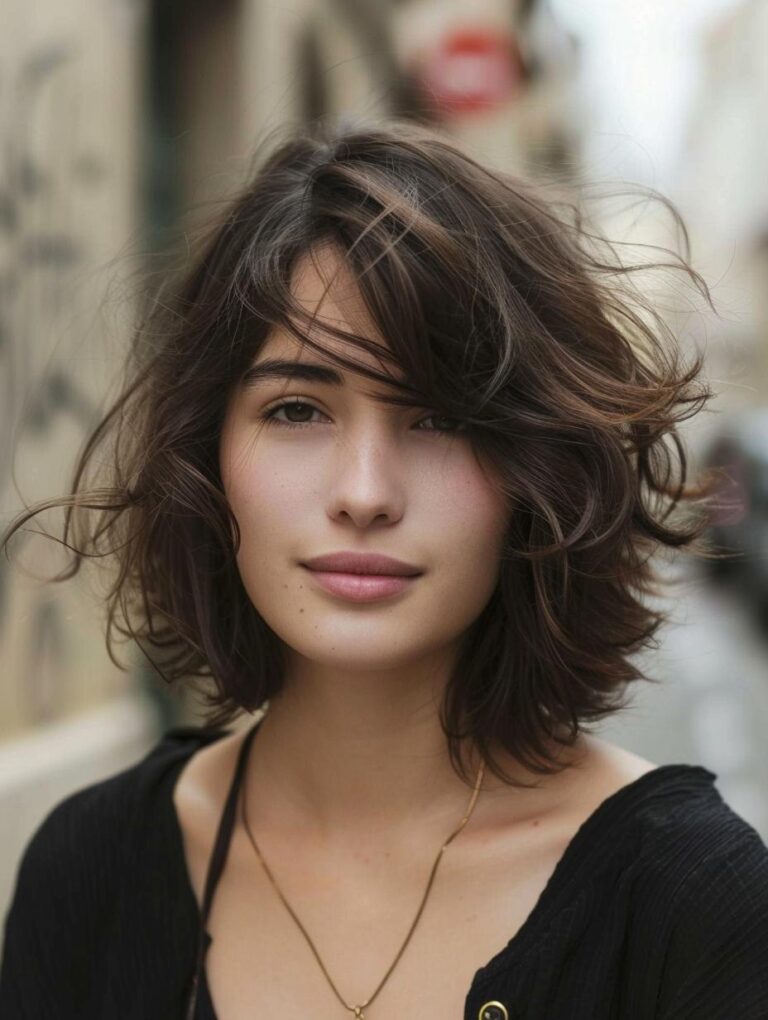
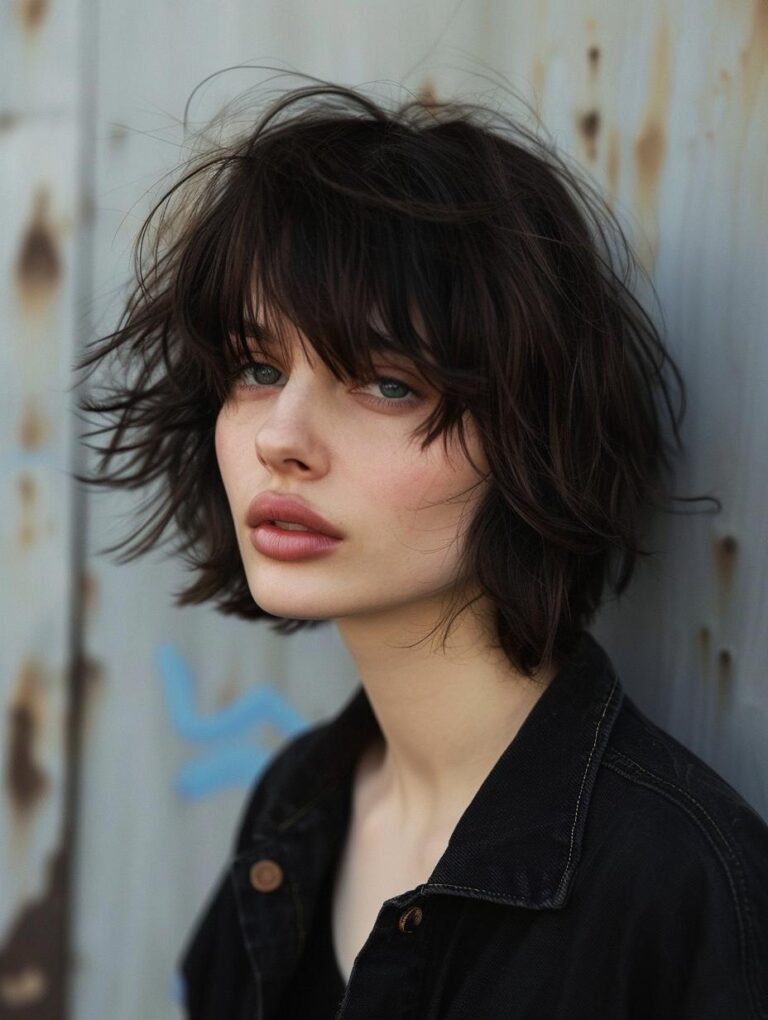
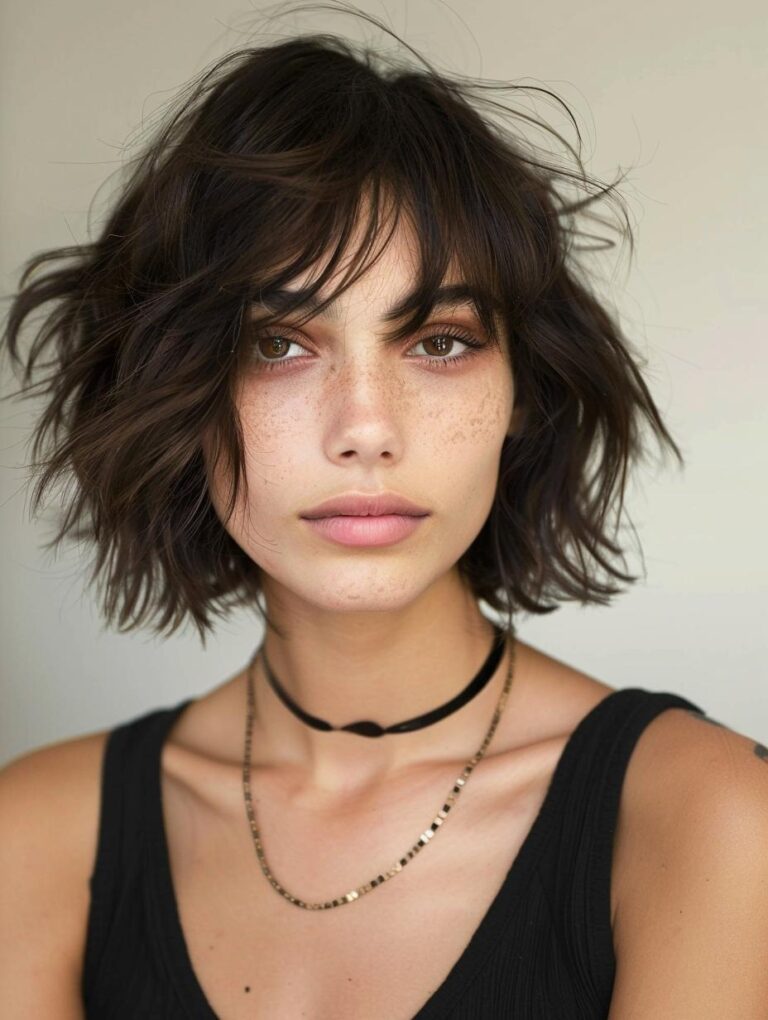
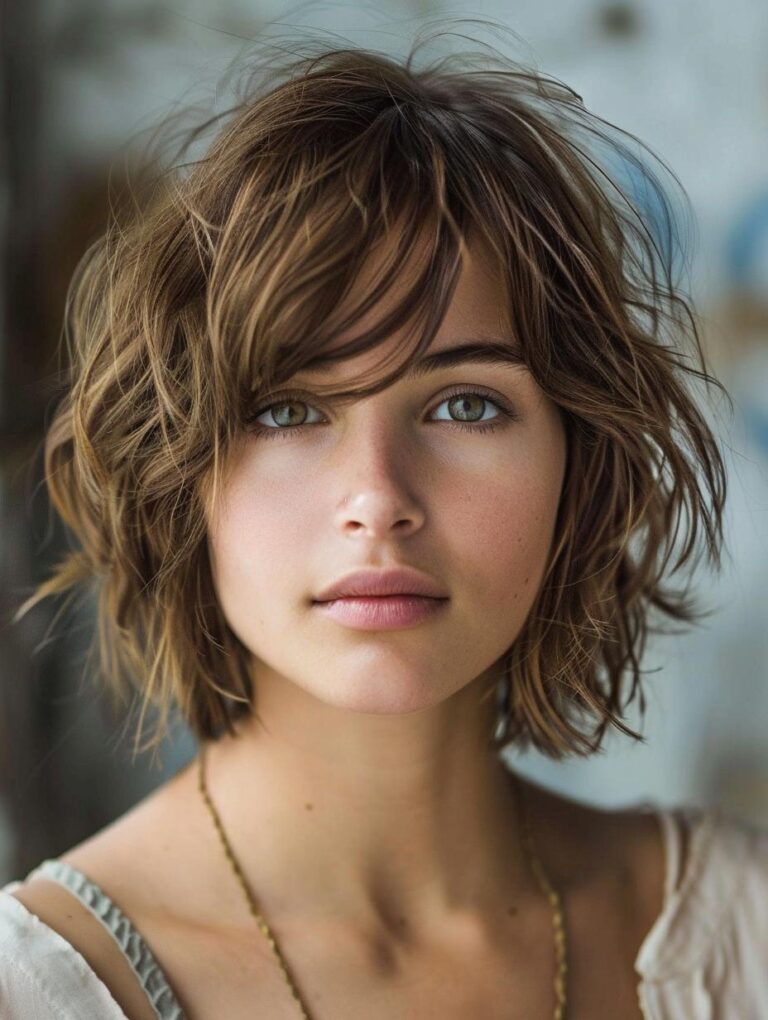
The shaggy bob represents more than just a haircut—it’s a transformative style statement that bridges the gap between carefree bohemian vibes and polished elegance. This distinctive hairstyle features choppy, textured layers that create movement and volume, distinguishing it from traditional blunt bobs. The beauty of the shaggy bob lies in its universal appeal, flattering virtually every face shape, hair texture, and personal style preference.
Unlike rigid, structured cuts, the shaggy bob celebrates imperfection and natural texture. It works beautifully with straight, wavy, curly, and even coily hair types, adapting to your hair’s natural characteristics rather than fighting against them. This adaptability makes it an ideal choice for anyone looking to embrace their authentic hair texture while maintaining a fashionable edge.
The Anatomy of a Perfect Shaggy Bob: Understanding Layered Texture
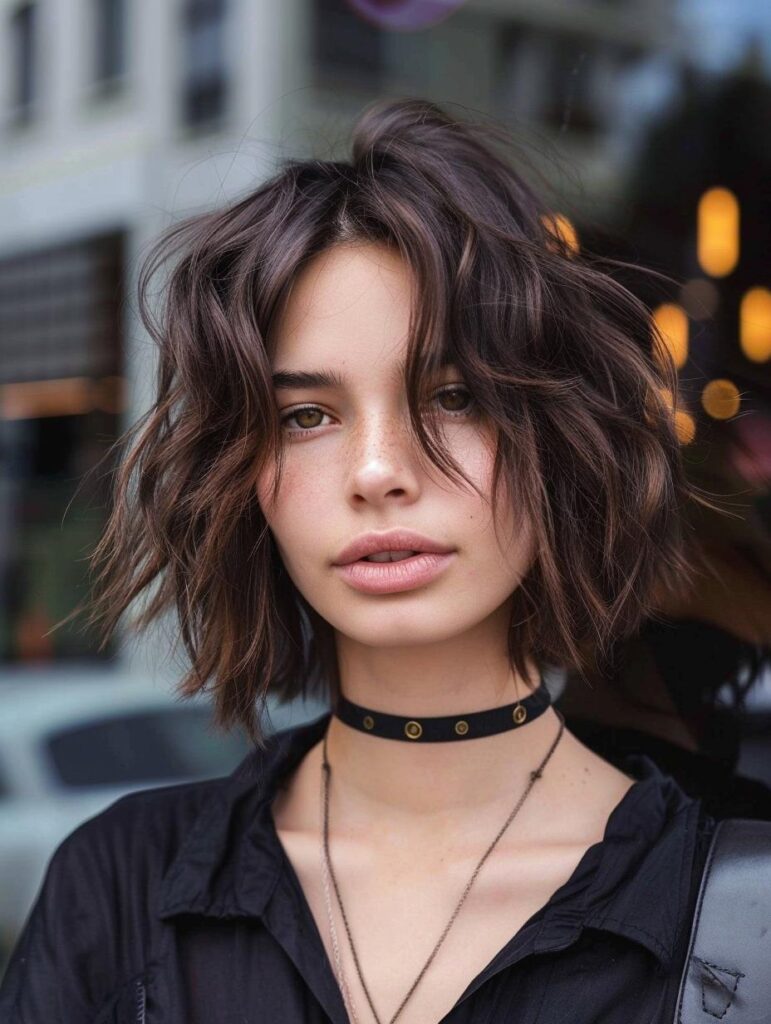
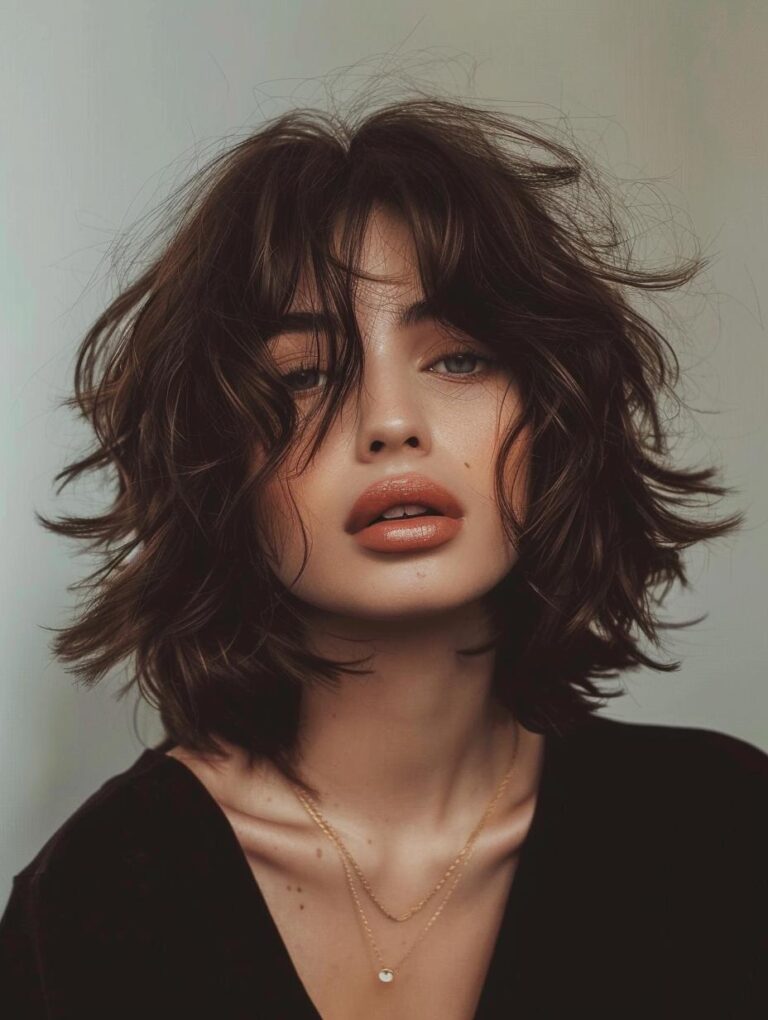
The foundation of every exceptional shaggy bob is its strategically placed layers. Professional stylists craft these layers to create dimension, movement, and volume throughout the cut. The layering technique typically starts shorter at the crown and gradually lengthens toward the ends, producing that signature tousled, lived-in appearance that defines the style.
These carefully constructed layers serve multiple purposes. They remove excess weight from thick hair, preventing the bottom-heavy look that can make traditional bobs appear dated. For finer hair types, the layers create the illusion of fuller, more voluminous locks. The strategic placement of these layers also ensures the haircut frames your face beautifully, highlighting your best features while softening any areas you wish to downplay.
The typical shaggy bob length ranges from chin-length to just below the shoulders, though variations exist to suit individual preferences. Shorter versions offer a more dramatic, edgy appearance, while longer iterations provide greater versatility for styling options like ponytails and updos.
Styling Made Simple: Effortless Elegance
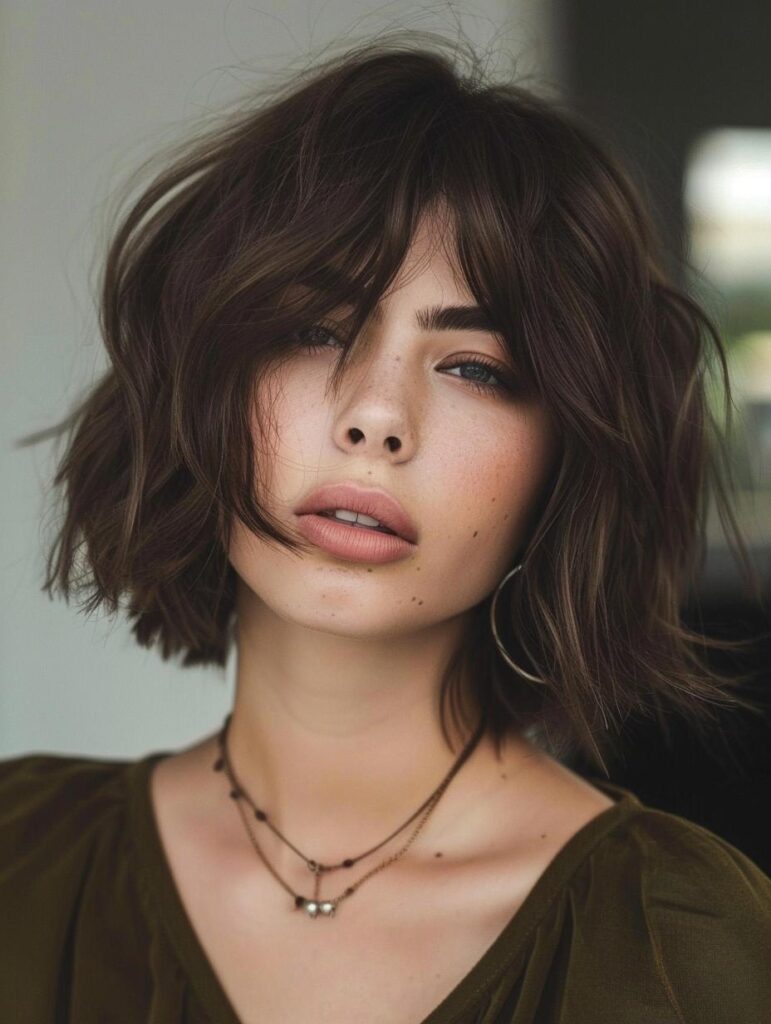
One of the most compelling reasons the shaggy bob rules hair fashion is its remarkable ease of styling. This haircut is designed to look fabulous with minimal effort, making it perfect for busy lifestyles without sacrificing style.
Everyday Casual Styling
For your daily routine, the shaggy bob practically styles itself. After washing, apply a golf ball-sized amount of texturizing mousse or sea salt spray to damp hair. Scrunch the product through your hair, encouraging natural waves and texture. Allow your hair to air dry, or use a diffuser attachment on your blow dryer for added volume. The result is an effortlessly tousled look that exudes casual confidence.
For straight hair that needs more texture, try twisting small sections while damp and allowing them to dry naturally. This technique creates subtle bends and movement that enhance the shaggy bob’s signature style.
Polished Professional Look
Transforming your shaggy bob for professional settings or evening events requires just a few extra minutes. Apply a smoothing serum to damp hair, then blow dry using a round brush to smooth the layers while maintaining volume at the roots. The layers will still provide movement and interest, but with a more refined, polished finish. This versatility makes the shaggy bob an excellent choice for individuals who need their hairstyle to transition seamlessly from office to evening plans.
Styling Products Essential for Shaggy Bobs
Invest in quality styling products to maximize your shaggy bob’s potential. Key items include texturizing spray for enhancing natural texture, dry shampoo for adding volume and extending time between washes, smoothing serum for sleek styling options, and light-hold hairspray to maintain your style without stiffness.
Color Techniques That Elevate Your Shaggy Bob
Strategic color application can dramatically enhance your shaggy bob, adding depth and dimension that emphasizes the layered structure. Several coloring techniques work particularly well with this cut.
Balayage and Highlights
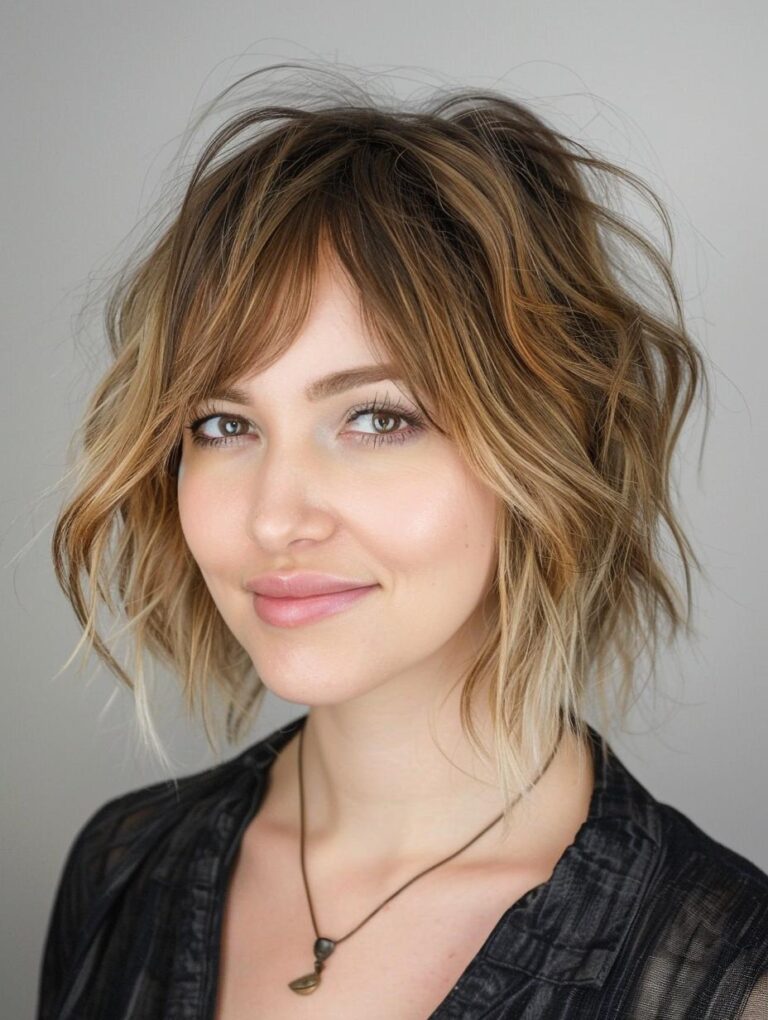
Balayage, a hand-painted highlighting technique, creates natural-looking color gradients that accentuate the movement in shaggy bobs. The varied tones catch light differently as your hair moves, creating a multidimensional effect that enhances the textured layers. Traditional foil highlights also work beautifully, providing more defined contrast between shades.
Face-Framing Highlights
Strategically placed lighter pieces around the face brighten your complexion and draw attention to your features. This technique particularly suits the shaggy bob because the face-framing layers are already designed to highlight your face shape.
Color Trends for 2025
Current color trends favoring shaggy bobs include warm caramel tones, dimensional brunettes with subtle highlights, sun-kissed blonde variations, and rich auburn shades with copper undertones. These colors work harmoniously with the textured nature of the cut, creating depth that enhances the overall style.
Seasonal Versatility: Why the Shaggy Bob Works Year-Round
The shaggy bob’s adaptability extends beyond styling options to seasonal versatility. During warmer months, this haircut provides comfortable length that keeps hair off your neck while maintaining style. The texture allows for easy air-drying, reducing heat styling needs during hot weather.
In fall and winter, the shaggy bob offers enough length for cozy scarves and hats without creating excessive bulk. The layers prevent the flat, compressed look that longer hair often develops under winter accessories. You can also experiment with different styling techniques—sleeker in winter, more textured in summer—to match seasonal fashion trends.
Maintenance Requirements: Keeping Your Shaggy Bob Fresh
While the shaggy bob is relatively low-maintenance compared to many hairstyles, some care is required to keep it looking its best.
Regular Trimming Schedule
Schedule haircuts every six to eight weeks to maintain the integrity of the layers and prevent the style from losing its shape. These regular trims keep split ends at bay and ensure your shaggy bob retains its dimensional, lively appearance. Allowing too much time between cuts can result in the layers growing out unevenly, diminishing the style’s signature texture.
At-Home Care
Between salon visits, proper at-home care extends the life of your cut. Use quality shampoo and conditioner suited to your hair type, and consider weekly deep conditioning treatments to maintain hair health. Avoid over-washing, which can strip natural oils and make styling more difficult. Most people find that washing every two to three days works well with this cut.
Growing Out Your Shaggy Bob
One advantage of the shaggy bob is its graceful growing-out process. The layered nature of the cut means it maintains an intentional, styled appearance even as it lengthens. If you decide to grow out your shaggy bob, work with your stylist to gradually adjust the layers, ensuring a seamless transition to your desired length.
Face Shape Considerations: Finding Your Perfect Shaggy Bob
While the shaggy bob flatters most face shapes, slight modifications can optimize the style for your specific features.
Oval faces have the flexibility to wear virtually any variation of the shaggy bob, from chin-length to shoulder-length versions.
Round faces benefit from longer shaggy bobs that create vertical lines, with layers starting below the chin to elongate the face visually.
Square faces look excellent with shaggy bobs that feature soft, wispy layers around the jawline, softening angular features.
Heart-shaped faces pair beautifully with chin-length or slightly longer shaggy bobs that add width at the jawline, balancing a wider forehead.
Long faces work well with shaggy bobs that emphasize width through voluminous layers at the sides, creating horizontal balance.
The Shaggy Bob as a Confidence Statement
Beyond its practical benefits, the shaggy bob represents a style philosophy—confidence in imperfection, embrace of natural texture, and appreciation for effortless beauty. This haircut appeals to individuals who reject overly styled, high-maintenance looks in favor of authentic, lived-in elegance.
The shaggy bob’s popularity among celebrities, influencers, and everyday style enthusiasts speaks to its universal appeal. It’s a democratizing hairstyle that looks equally stunning on red carpets and school runs, in corporate boardrooms and coffee shops.
Working with Your Stylist: Communication is Key
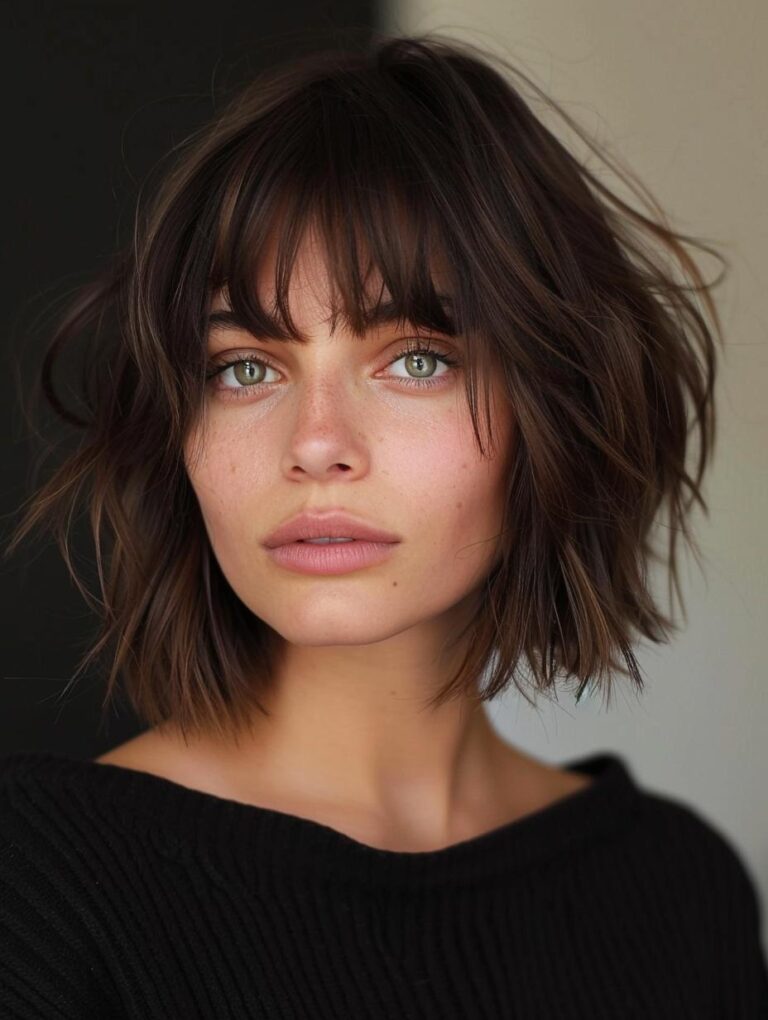
Achieving your ideal shaggy bob requires effective communication with a skilled stylist. Bring reference photos showing the specific shaggy bob variation you’re interested in, but remain open to your stylist’s professional recommendations based on your hair type, texture, and face shape.
Discuss your styling habits and maintenance willingness honestly. If you prefer minimal daily styling, communicate this so your stylist can adjust the cut accordingly. The best shaggy bobs are personalized to suit your lifestyle, not just your aesthetic preferences.
Why the Shaggy Bob Continues to Dominate Hair Fashion
The enduring popularity of the shaggy bob stems from its unique combination of benefits: versatility that suits multiple hair types and face shapes, styling ease that accommodates busy lifestyles, seasonal adaptability for year-round wearability, timeless appeal that transcends temporary trends, and customization potential through cut variations and color techniques.
As hair fashion continues evolving, the shaggy bob remains a constant favorite because it addresses fundamental desires—looking stylish without excessive effort, embracing natural texture, and maintaining a fresh, modern appearance. This haircut represents the perfect intersection of fashion-forward thinking and practical reality.
Making the Commitment: Is a Shaggy Bob Right for You?
If you’re considering transitioning to a shaggy bob, ask yourself these questions: Do you want a lower-maintenance hairstyle? Are you comfortable with textured, slightly imperfect styling? Do you want a cut that works with your natural hair texture? Are you seeking a versatile style suitable for multiple occasions?
If you answered yes to most of these questions, the shaggy bob likely aligns well with your needs and preferences. This haircut offers liberation from rigid styling requirements while maintaining a fashionable, put-together appearance.
The shaggy bob’s reign in hair fashion shows no signs of ending. Its combination of style, versatility, and practicality ensures it will remain a go-to choice for those seeking to refresh their look with a cut that’s both on-trend and timeless. Whether you’re contemplating a dramatic change or a subtle enhancement, the shaggy bob delivers a perfect balance of edge and elegance that adapts beautifully to your unique style.
FAQs
1. How often do I need to trim my shaggy bob to maintain its shape?
You should schedule trims every six to eight weeks to keep your shaggy bob looking fresh and maintain the integrity of the layers. Regular trims prevent the style from appearing weighed down or losing its signature texture. These maintenance appointments also help control split ends and ensure the haircut continues to frame your face properly as it grows.
2. Will a shaggy bob work with my curly or textured hair?
Absolutely! The shaggy bob works exceptionally well with curly and textured hair types. In fact, the natural texture of curly hair enhances the dimensional, lived-in appearance that defines the shaggy bob. Your stylist can adjust the layering technique to accommodate your curl pattern, ensuring the cut enhances rather than fights your natural texture. Curly-haired individuals often find the shaggy bob easier to maintain than longer styles.
3. What’s the difference between a regular bob and a shaggy bob?
A regular bob typically features blunt, even ends and minimal layering, creating a more structured, uniform appearance. In contrast, a shaggy bob incorporates choppy, textured layers throughout the cut that create movement, volume, and a deliberately tousled look. The shaggy bob prioritizes texture and dimension, while traditional bobs emphasize clean lines and precision. The shaggy version requires less precise daily styling and offers a more casual, effortless aesthetic.
4. Can I still put my shaggy bob in a ponytail or updo?
The versatility of ponytail or updo options depends on your shaggy bob’s length. Longer variations (shoulder-length or slightly below) can typically be gathered into low ponytails or messy buns. Shorter versions may not have sufficient length for full updos, but you can create half-up styles or use clips and pins to create interesting looks. Many people appreciate that the shorter layers frame the face beautifully even when pulling back the longer sections.
5. What face shapes look best with a shaggy bob?
The shaggy bob is remarkably versatile and flatters virtually all face shapes with appropriate customization. Oval faces can wear any variation, round faces benefit from longer lengths with layers below the chin, square faces look great with soft layers around the jawline, heart-shaped faces pair well with chin-length or longer versions, and long faces work beautifully with voluminous side layers. Consult with your stylist about specific adjustments that optimize the style for your unique features.
6. How do I style my shaggy bob if I have straight hair that lacks natural texture?
Straight hair can absolutely rock a shaggy bob with the right styling techniques and products. Apply texturizing spray or mousse to damp hair, then scrunch sections while blow-drying with a diffuser attachment. You can also create texture by twisting small sections of damp hair and allowing them to dry, or use a curling iron or flat iron to add subtle bends and waves. A good texture spray is your best friend for creating that piece-y, lived-in look that defines the shaggy bob.
7. What hair products are essential for maintaining a shaggy bob?
Essential products for shaggy bob maintenance include texturizing spray for enhancing natural texture and creating piece-y definition, dry shampoo for volume and extending time between washes, smoothing serum for sleeker styling options when needed, light-hold hairspray to maintain styles without stiffness, and volumizing mousse for creating lift at the roots. Quality shampoo and conditioner suited to your hair type are also crucial. These products help you achieve both casual and polished looks with minimal effort.
8. Is the shaggy bob appropriate for professional work environments?
Yes, the shaggy bob can absolutely work in professional settings. While it has an inherently relaxed, textured appearance, you can easily style it more polished for work by using a smoothing serum and blow-drying with a round brush. The beauty of this cut is its versatility—the same haircut that looks appropriately professional during business hours can be styled more casually for evenings and weekends. Many working professionals choose the shaggy bob precisely because it bridges casual and formal styling with ease.
9. How long does it take to style a shaggy bob each morning?
One of the shaggy bob’s greatest advantages is its minimal styling time. For casual, everyday looks, you can achieve great results in five to ten minutes by applying product and air-drying or quickly diffusing your hair. More polished styles require approximately fifteen to twenty minutes with a blow dryer and round brush. Many people find they can wash their shaggy bob at night, apply product, and wake up with minimal styling needs beyond a quick touch-up with dry shampoo or texture spray.
10. Will adding color or highlights damage my shaggy bob?
When performed by a skilled colorist using quality products, color treatments like highlights or balayage should not significantly damage your shaggy bob. However, any chemical process does affect hair health to some degree. To minimize potential damage, work with an experienced colorist, use professional-grade products, follow recommended aftercare including color-safe shampoos and regular deep conditioning treatments, and space out color appointments appropriately. Strategic color placement actually enhances the shaggy bob’s dimensional appearance, making the investment worthwhile for many people.